

Риболовните куки са важен елемент от риболовната екипировка и играят ключова роля в успеха на риболова. Те са проектирани да захващат рибата, след като тя ухапе примамката. Добре подбраните куки могат значително да увеличат шансовете ви за успешен риболов. Ето някои основни разновидности и характеристики на риболовните куки:
Видове риболовни куки
Класически куки: Най-често срещаните, с прост дизайн. Използват се за различни видове риболов.
Куки с контра: Имат допълнителен извит елемент, който предотвратява излизането на рибата от куката.
Куки за морски риболов: По-големи и по-здрави, проектирани да издържат на по-големи натоварвания и солена вода.
Куки за мухарски риболов: По-малки и леки, специално проектирани за мухички.
Куки с различни форми: Има куки с различни форми и размери в зависимост от вида риба, която се ловува, и типа примамка.
Характеристики
1.Материал: Обикновено са изработени от стомана или неръждаема стомана, за да осигурят здравина и устойчивост на корозия.
2.Острие: Остротата на острия край е важна за успешното захващане на рибата. Някои куки имат химически заточени остриета за по-добра производителност.
3.Размер: Куките идват в различни размери, които обикновено са обозначени с номера. По-малките куки (например номер 10) се използват за по-малки риби, докато по-големите (например номер 1 или 2/0) са за по-големи видове.
4.Завъртане: Някои куки имат завъртаща се част, която позволява на линията да се движи свободно и намалява риска от заплитане.
Избор на куки
При избора на риболовни куки е важно да се вземат предвид:
1.Видът риба, която искате да ловите.
2.Типът примамка, която ще използвате.
3.Условията на риболов (сладка или солена вода, дълбочина и т.н.).
Видове риболовни куки
Класически куки: Най-често срещаните, с прост дизайн. Използват се за различни видове риболов.
Куки с контра: Имат допълнителен извит елемент, който предотвратява излизането на рибата от куката.
Куки за морски риболов: По-големи и по-здрави, проектирани да издържат на по-големи натоварвания и солена вода.
Куки за мухарски риболов: По-малки и леки, специално проектирани за мухички.
Куки с различни форми: Има куки с различни форми и размери в зависимост от вида риба, която се ловува, и типа примамка.
Характеристики
1.Материал: Обикновено са изработени от стомана или неръждаема стомана, за да осигурят здравина и устойчивост на корозия.
2.Острие: Остротата на острия край е важна за успешното захващане на рибата. Някои куки имат химически заточени остриета за по-добра производителност.
3.Размер: Куките идват в различни размери, които обикновено са обозначени с номера. По-малките куки (например номер 10) се използват за по-малки риби, докато по-големите (например номер 1 или 2/0) са за по-големи видове.
4.Завъртане: Някои куки имат завъртаща се част, която позволява на линията да се движи свободно и намалява риска от заплитане.
Избор на куки
При избора на риболовни куки е важно да се вземат предвид:
1.Видът риба, която искате да ловите.
2.Типът примамка, която ще използвате.
3.Условията на риболов (сладка или солена вода, дълбочина и т.н.).


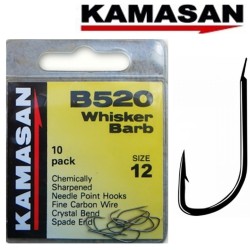
Brand: Kamasan
Model: #644
Kamasan са считани от мнозина за най-добрите. Всяка кука е изработена от високо въглеродна стомана и е химически заточена, за да се създаде една от най-острите и здрави куки някога, предлагани на световния пазар. За да задоволи нуждите на всички риболовци по света, Kamasan предлага много голямо разн..
3.60лв (1.84€)
Без данък:3.60лв (1.84€)
Brand: Kamasan
Model: #646
Kamasan са считани от мнозина за най-добрите. Всяка кука е изработена от високо въглеродна стомана и е химически заточена, за да се създаде една от най-острите и здрави куки някога, предлагани на световния пазар. За да задоволи нуждите на всички риболовци по света, Kamasan предлага много голямо раз..
3.60лв (1.84€)
Без данък:3.60лв (1.84€)
Brand: Kamasan
Model: #647
Kamasan са считани от мнозина за най-добрите. Всяка кука е изработена от високо въглеродна стомана и е химически заточена, за да се създаде една от най-острите и здрави куки някога, предлагани на световния пазар. За да задоволи нуждите на всички риболовци по света, Kamasan предлага много голямо раз..
3.60лв (1.84€)
Без данък:3.60лв (1.84€)

Brand: Kamasan
Model: #648
Kamasan са считани от мнозина за най-добрите. Всяка кука е изработена от високо въглеродна стомана и е химически заточена, за да се създаде една от най-острите и здрави куки някога, предлагани на световния пазар. За да задоволи нуждите на всички риболовци по света, Kamasan предлага много голямо разн..
3.60лв (1.84€)
Без данък:3.60лв (1.84€)
Brand: Kamasan
Model: #649
Kamasan са считани от мнозина за най-добрите. Всяка кука е изработена от високо въглеродна стомана и е химически заточена, за да се създаде една от най-острите и здрави куки някога, предлагани на световния пазар. За да задоволи нуждите на всички риболовци по света, Kamasan предлага много голямо раз..
3.60лв (1.84€)
Без данък:3.60лв (1.84€)
Brand: Kamasan
Model: #650
Kamasan са считани от мнозина за най-добрите. Всяка кука е изработена от високо въглеродна стомана и е химически заточена, за да се създаде една от най-острите и здрави куки някога, предлагани на световния пазар. За да задоволи нуждите на всички риболовци по света, Kamasan предлага много голямо разн..
3.60лв (1.84€)
Без данък:3.60лв (1.84€)

Brand: Kamasan
Model: #651
Kamasan са считани от мнозина за най-добрите. Всяка кука е изработена от високо въглеродна стомана и е химически заточена, за да се създаде една от най-острите и здрави куки някога, предлагани на световния пазар. За да задоволи нуждите на всички риболовци по света, Kamasan предлага много голямо разн..
3.60лв (1.84€)
Без данък:3.60лв (1.84€)
Brand: Kamasan
Model: #652
Kamasan са считани от мнозина за най-добрите. Всяка кука е изработена от високо въглеродна стомана и е химически заточена, за да се създаде една от най-острите и здрави куки някога, предлагани на световния пазар. За да задоволи нуждите на всички риболовци по света, Kamasan предлага много голямо раз..
3.60лв (1.84€)
Без данък:3.60лв (1.84€)
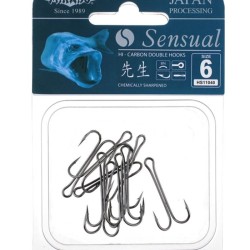
Brand: Mikado
Model: #1901
Изключително остри и здрави двойни куки, подходящи за направата на монтажи с жива или мъртва примамка при риболов на хищници.Вид на опашката - ухо / отворен рингЦвят - черен никел / BNНомер / Опаковка3/0 5бр2/0 &nbs..
7.00лв (3.58€)
Без данък:7.00лв (3.58€)

Brand: Owner
Model: #667
Owner Carp Tsuyoshi модел куки с късо рамо, заоблена извивка и изключително остър връх с ясно изразена контра. Супер здрави, те проникват лесно дори и в най-твърдите челюсти и задържат сигурно закачената риба. Подходящи за различни дънни монтажи за монтиране на протеинови топчета, царевиц..
4.80лв (2.45€)
Без данък:4.80лв (2.45€)

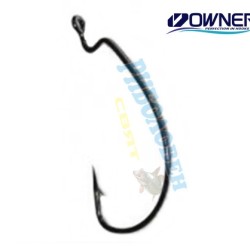
Brand: Owner
Model: #725
Owner Offset SSW With Cutting Point е модел офсетова кована кука за силиконови примамки.С ухоCutting point заточванеЦвят: черен хром Размери №3 / 0, №2 / 0, №1 / 0, №1, №2, №3, №4
10 броя опаковка..
4.80лв (2.45€)
Без данък:4.80лв (2.45€)

Brand: Preston Innovations
Model: #837
PRESTON KKH-BARBLESS HOOKS куки без контра поставят нови стандарти в областта на сигурността при засечката, благодарение на уникалната си специална извита форма. Тази иновативна конструкция осигурява по-голяма надеждност и по-малка вероятност рибата да се откачи, като гарантира, че след кълване тя..
5.00лв (2.56€)
Без данък:5.00лв (2.56€)